Genetics may play a role, but so do age, stress, and lifestyle. ͏ ͏ ͏ ͏ ͏ ͏ ͏ ͏ ͏ ͏ ͏ ͏ ͏ ͏ ͏ ͏ ͏ ͏ ͏ ͏ ͏ ͏ ͏ ͏ ͏ ͏ ͏ ͏ ͏ ͏ ͏ ͏ ͏ ͏ ͏ ͏ ͏ ͏ ͏ ͏ ͏ ͏ ͏ ͏ ͏ ͏ ͏ ͏ ͏ ͏ ͏ ͏ ͏ ͏ ͏ ͏ ͏ ͏ ͏ ͏ ͏ ͏ ͏ ͏ ͏ ͏ ͏ ͏ ͏ ͏ ͏ ͏ ͏ ͏ ͏ ͏ ͏ ͏ ͏ ͏ ͏ ͏ ͏ ͏ ͏ ͏ ͏ ͏ ͏ ͏ ͏ ͏ ͏ ͏ ͏ ͏ ͏ ͏ ͏ ͏ ͏ ͏ ͏ ͏ ͏ ͏ ͏ ͏ ͏ ͏ ͏ ͏ ͏ ͏ ͏ ͏ ͏ ͏ ͏ ͏ ͏ ͏ ͏ ͏ ͏ ͏ ͏ ͏ ͏ ͏ ͏ ͏ ͏ ͏ ͏ ͏ ͏ ͏ ͏ ͏ ͏ ͏ ͏ ͏ ͏ ͏ ͏ ͏ ͏ ͏

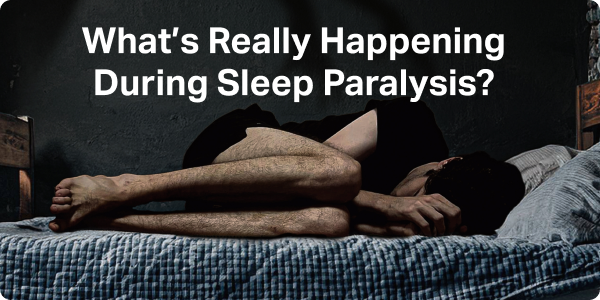
Imagine waking up but being unable to move, speak, or open your eyes fully. Some people describe the feeling as having "a weight on their chest," while others see shadowy figures in the room, a common hallucination linked to sleep paralysis.
It feels terrifying, but it's usually harmless.
Sleep paralysis occurs when your brain wakes before your body has finished its REM cycle, leaving you temporarily "stuck" in place.
Luckily, simple steps, like adjusting your sleep position, reducing late-night screen time, or managing stress, can make episodes less frequent. | | | | |
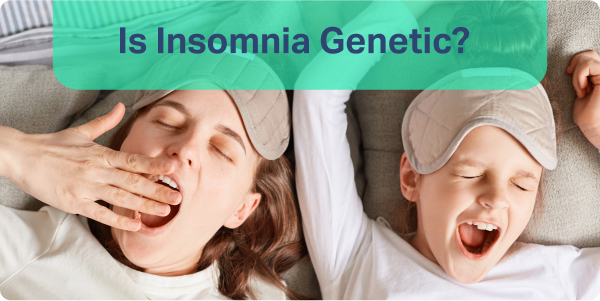
If you've always struggled to fall or stay asleep, and so have your parents, you might wonder if insomnia is "in your DNA."
Studies show that genetics influence how our bodies regulate sleep and wakefulness, and some people may be predisposed to disruptions in their circadian rhythm. But DNA isn't destiny. Lifestyle factors, health conditions, and anxiety often play just as big a role.
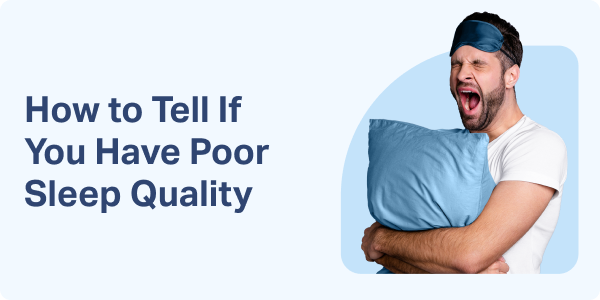
Older adults, in particular, are more vulnerable to chronic insomnia. Changes in hormone production, increased medical issues, and even shifts in daily routine can make falling and staying asleep harder with age. | | You can log eight hours and still wake up feeling like you barely slept. That's the difference between sleep quantity and sleep quality, and it's the quality that makes or breaks your rest.
Poor sleep quality often shows up in subtle ways: - Grogginess that lingers long after your morning coffee
- Mood swings, irritability, or trouble focusing at work
- Frequent headaches or body aches with no clear cause
- Waking up multiple times a night without remembering why
The causes range from stress and screen time to hidden sleep disorders like sleep apnea. And because your body isn't cycling through the deeper, restorative stages of sleep, you miss out on the real benefits!
If you've ever thought, "I got plenty of sleep, so why do I still feel awful?", poor sleep quality may be the reason. | | | | |
The Real Risks of Sleep Deprivation
It's not just about feeling tired. Chronic lack of sleep impacts your memory, mood, metabolism, and even heart health.
How Diet and Exercise Affect Your Sleep
The foods you eat and the way you move during the day directly influence how you rest at night. Discover the habits that help, and the ones that hurt.
Why Do We Dream?
Explore the science behind dreaming and what your brain may be working on while you sleep.
How Much Sleep Is Too Much?
Yes, sleeping too much can be a problem. Oversleeping has even been linked to a higher risk of chronic disease! Find out when extra hours become a red flag. | | | | |
Sleep Foundation, A Sleep Doctor Company
1414 NE 42nd St 400 Seattle, WA 98105 Sleep Doctor (collectively Sleep Foundation, SleepFoundation.org, SleepApnea.com, and SleepDoctor.com) is not affiliated with the National Sleep Foundation, an independent 501(c)(3) nonprofit based in Washington, D.C.
Sleep Doctor and its brands provide comprehensive health information to help people cultivate better sleep. Sleep Doctor does not provide medical advice, diagnosis, or treatment options. | | | | |



No comments:
Post a Comment